The truth I eventually learned is that a knife is not a static tool, it’s a living edge. If you treat it like a piece of silverware, it will fail you. If you treat it like a precision instrument, it will change the way you cook. Here is how to move past the “Ultimate Guide” soft and actually master your steel.
Edge Mastery: Why I Stopped Torturing My Tomatoes and Learned to Love Knife Care
There is a specific, visceral frustration that comes with trying to slice a ripe summer tomato with a dull knife. You push, the skin resists, and eventually, the blade slips, leaving you with a mangled pile of pulp instead of a clean slice. I have been there—standing in my kitchen, sweating over a shallot, wondering why my “expensive” German steel felt like a butter spreader.
1. The Real Difference: Sharpening vs. Honing
Most people use these terms interchangeably, but they are as different as a haircut and a comb. If you take away one thing from this, let it be this distinction.
Sharpening (The “Surgery”)
Sharpening is a destructive process—and that’s a good thing. You are literally grinding away microscopic amounts of metal to create a brand-new, V-shaped edge. If your knife is truly dull (the “paper test” fails miserably), you need to sharpen it.
The Frequency: For a home cook like me, you only need to do this 1–2 times a year. If you are doing it every week, you are eating your knife.
Honing (The “Maintenance”)
That long, ribbed steel rod in your knife block? That is a honing rod. It does not remove metal, it realigns it. Under a microscope, a used knife edge looks like a wavy piece of foil. Honing pushes that edge back into a straight line.
My Habit: I have made it a ritual to hone my chef’s knife almost every time I pull it out. Five seconds of honing saves me twenty minutes of struggling.
2. The Ritual of the Stone: How to Sharpen
If you are ready to graduate from those “pull-through” sharpeners—which I call “the cheese graters of the knife world” because they chew up the blade—you need a dual-grit whetstone.
Soak the Stone: Most stones need 10 minutes in water until the bubbles stop. It’s a great time to put on a podcast and prep your workspace.
Find Your Angle: Imagine a matchbook-sized gap between the spine of the knife and the stone. That’s usually about 15° to 20°.
The Burr: Slide the blade across the stone (leading with the edge) until you feel a “burr”—a tiny, rough lip of metal—forming on the opposite side. That’s the “Eureka” moment, it means you have actually reached the edge.
Polish: Flip to the higher grit (the smoother side) to buff out the scratches and make that edge scream.
The first time I successfully sharpened a knife to the point where it could shave the hair off my arm, I felt like a wizard. It’s a rite of passage. Do not be intimidated, your first try won’t be perfect, but it will still be better than a factory-dull blade.
3. Storage: Where Knives Go to Die
The “junk drawer” is a crime scene for cutlery. When knives rattle around against spoons and spatulas, the edges chip and dull instantly. I used to be guilty of this, and I have the chipped tips to prove it.
| Storage Method | Why It Works | My Take |
|---|---|---|
| Magnetic Strip | Saves space, keeps blades dry, looks professional. | The Winner. It keeps the edge untouched and turns your tools into kitchen art. |
| Knife Block | Classic and safe. | The Runner Up. Just store knives upside down (spine on the wood) so the edge doesn’t rest on the block. |
| Blade Guards | Perfect for small kitchens. | The Budget Pick. Essential if you must use a drawer. |
4. The “Never” List (Common Crimes)
To keep your edge, you have to break some bad habits. I used to do all of these until I realized why my knives were dying:
Never use the dishwasher: The high heat expands the metal, the detergent is abrasive, and the rattling chips the edge. I do not care what the box says—hand wash, hand dry, always.
Never scrape the board: We all do it—chopping veggies and then using the sharp edge to scrape them into the pan. This is the fastest way to roll an edge. Flip the knife over and use the spine to scrape.
Never use glass cutting boards: Cutting on glass or marble is essentially hitting your knife against a rock. Stick to end-grain wood or high-quality plastic.
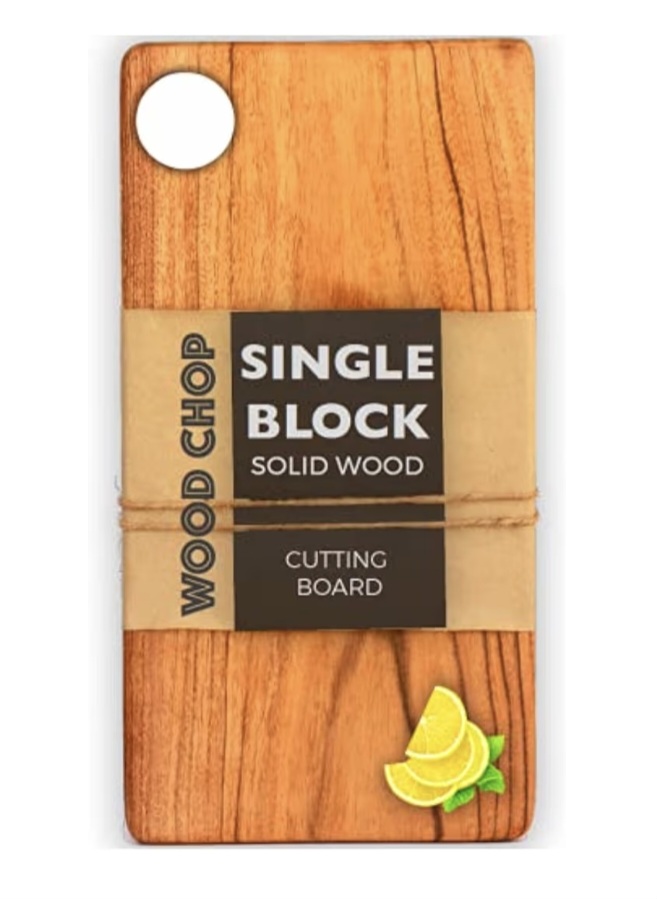
Scraping your blade against glass or hard marble cutting boards will destroy a sharp edge instantly. Switching to a heavy, single-block solid wood chopping board absorbs the impact beautifully and protects your knife steel for years.
5. Why the Effort is Worth It
Beyond the physics of the blade, there is a safety element. A dull knife requires force. Force leads to slipping. Slipping leads to stitches. A sharp knife goes exactly where you tell it to go with almost zero pressure.
When you take care of your tools, you respect the process of cooking. There is a deep, meditative satisfaction in the “thump” of a perfectly maintained blade hitting a wooden board. It turns a chore into a craft. My kitchen is a lot quieter and a lot happier now that my knives are actually doing their jobs.