Transforming your kitchen into a zero-waste sanctuary does not require an overnight lifestyle overhaul. Often, the most impactful changes come from shifting how we perceive our daily routines—moving from a culture of convenience to one of mindfulness. By adopting a few sustainable habits, you can significantly reduce your environmental footprint while simultaneously saving money on groceries and utilities.
Since I moved into my new home, I have been much more conscious of how much waste we generate as a family. I realized that a sustainable kitchen is not about being perfect, it’s about the small, daily habits that actually stick. Here is how I have been transitioning my own kitchen to be more eco-friendly.
Here are five transformative habits to help you build a more sustainable kitchen this month.
1. Master the “First In, First Out” (FIFO) Method For Kitchen
Ever since I relocated to my new home, I have become highly conscious of how much waste we generate as a family. This FIFO method works wonders in managing my busy work schedule seamlessly.
Food waste is one of the largest contributors to household trash. Most of us are guilty of buying a fresh bag of spinach only to find a liquefied version of last week’s purchase hiding in the back of the crisper drawer.
The FIFO method, a standard in professional kitchens, is simple: when you come home from the store, move older items to the front of the fridge or pantry and place new items behind them. This visual cue ensures you use what you already have before it expires.
Pro Tip: Dedicate a specific “Eat Me First” bin in your refrigerator for loose vegetables, open yogurts, or leftovers that need to be consumed within 24 hours.
My Personal Hack: I actually use a small chalkboard on my fridge to write down the names of leftovers or veggies that need to be eaten first. As someone with a busy work schedule, this saves me from that ‘what should I cook?’ stress at the end of a long day.
Sustainable Swap: To keep your produce fresher for longer, ditch the plastic bags. High-quality reusable beeswax wraps or silicone stretch lids create an airtight seal that prevents premature spoilage without the plastic waste.
2. Transition to “Un-Paper” Towels
Paper towels are a staple in many homes, but they are a single-use item that ends up straight in the landfill. Transitioning to cloth alternatives is one of the easiest ways to reduce daily waste.
Microfiber cloths, repurposed old t-shirts, or specialized “un-paper” towels made from cotton flannel can handle almost any mess. Keep a designated basket under the sink for dirty cloths and toss them in with your regular towel wash once a week. You will be surprised by how much more absorbent cloth is compared to even the “quilted” paper varieties.
3. Embrace Bulk Buying and Refillable Containers
Packaging accounts for a massive portion of kitchen waste. Transitioning to a “refill” mindset changes the game. Many modern grocery stores now offer bulk sections for grains, nuts, coffee, and even spices.
By bringing your own jars or lightweight mesh bags, you eliminate the need for plastic packaging entirely. Beyond the environmental benefit, bulk buying allows you to purchase the exact amount you need—whether it’s a single tablespoon of a rare spice for a new recipe or five pounds of oats—which prevents food from sitting in your pantry for years.
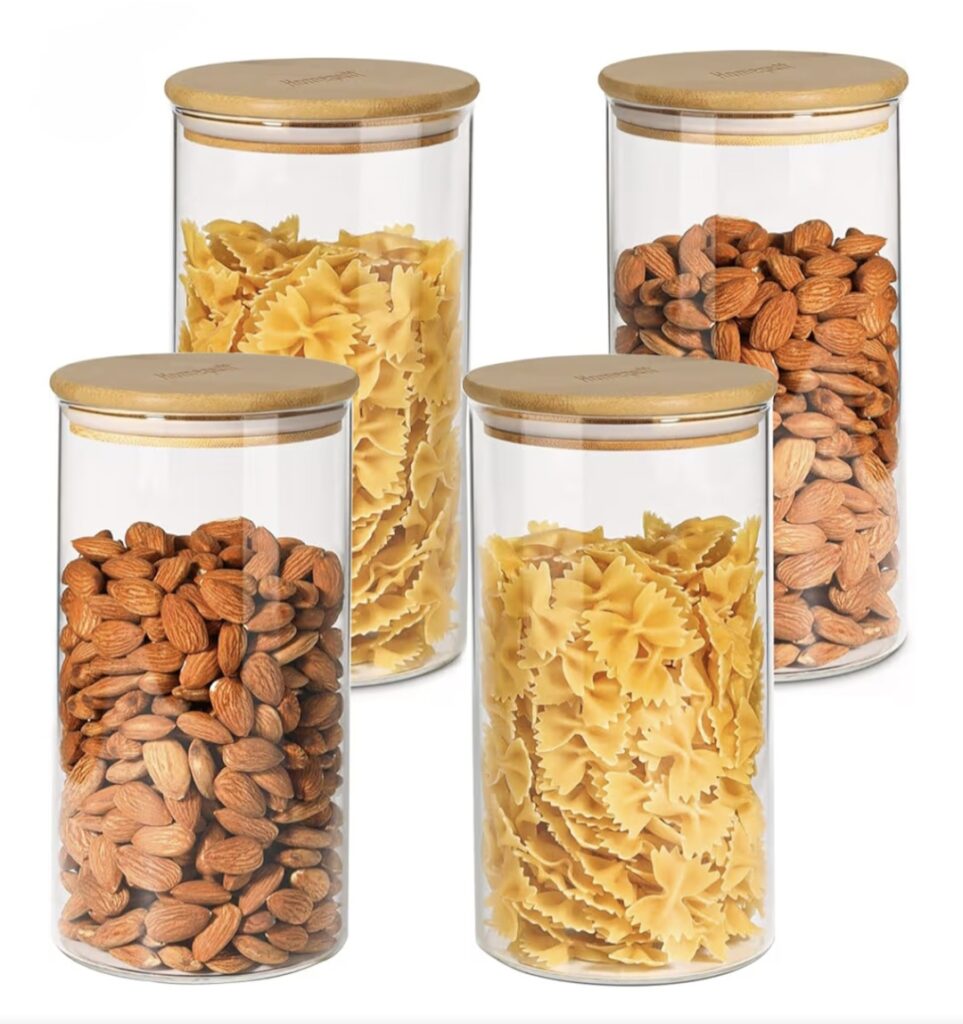
Sustainable Swap: Invest in a set of borosilicate glass canisters with bamboo lids. They are durable, non-toxic, and look beautiful on open shelving, making your sustainable journey feel like a home aesthetic upgrade.
4. Optimize Your Scraps: The Art of Stock and Compost
Before you toss those onion skins, carrot peels, and celery ends, remember that they are packed with flavor. Keep a “stock bag” in your freezer. Every time you prep veggies, toss the clean scraps into the bag. Once it’s full, simmer the contents with water and herbs for a few hours to create a rich, homemade vegetable broth that beats any store-bought carton.
For the scraps that can’t go into a stock—like coffee grounds, eggshells, and fruit pits—composting is the answer. If you live in an apartment, look for local compost pick-up programs or consider a small, odorless countertop bin. Composting returns vital nutrients to the earth rather than trapping them in a plastic bag in a landfill where they produce methane gas.
5. Choose Quality Over Frequency
In a sustainable kitchen, the tools you use matter. We often fall into the trap of buying “disposable” cookware—cheap non-stick pans that peel after a year or plastic spatulas that melt.
The most sustainable tool is the one you only have to buy once. Transitioning to materials like cast iron, stainless steel, or glass ensures that your kitchen gear lasts a lifetime. While the upfront cost might be higher, the “cost-per-use” over a decade is significantly lower than replacing cheap gear every twelve months.
Sustainable Swap: A pre-seasoned cast iron skillet is a kitchen workhorse. It improves with age, replaces the need for chemical non-stick coatings, and can be passed down through generations.

The key to a sustainable kitchen is progress, not perfection. You don’t need to throw out every plastic container you own today—in fact, using what you already have until it wears out is the most sustainable thing you can do.
Start by picking one habit from this list. Once it feels like second nature, add the next. By the end of the month, you’ll have a kitchen that is more efficient, more organized, and significantly kinder to the planet.