Building a kitchen is a bit like building a wardrobe. You need your “designer” staples that will last a decade, and you need your “fast-fashion” basics that get the job done and can be replaced without a second thought. In the world of culinary gear, the price tags can range from $15 for a grocery-store frying pan to $500 for a hand-hammered copper saucepan.
The secret to a high-functioning kitchen isn’t having the most expensive gear, it’s knowing exactly where the physics of cooking justifies a high price tag and where you’re simply paying for a brand name.
When I first began upgrading my kitchen workspace, I fell into the trap of buying cheap, flash-sale cookware sets. Within months, the coatings flaked and the thin bottoms warped. Realizing that true efficiency comes from investing in just two or three high-quality, long-lasting foundation items completely transformed how I cook every day.
The “Invest” List: Where Quality Changes the Flavor
When you invest in luxury cookware, you aren’t just paying for a shiny finish. You are paying for thermal mass, heat conductivity, and durability. These are the pieces that should be in your “forever” collection.
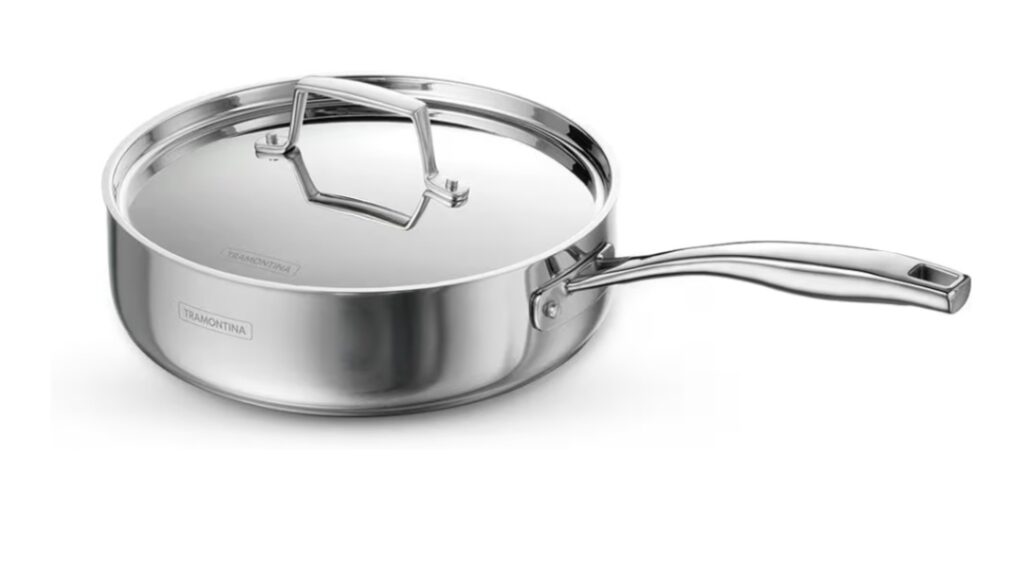
1. The Fully Clad Stainless Steel Skillet
This is the ultimate kitchen workhorse. Cheap stainless steel pans often have a thin “impact-bonded” disk of aluminum only on the bottom. This leads to “scorched edges” where the heat doesn’t reach the sides, causing sauces to burn at the perimeter while the center stays cool.
Luxury brands use multi-clad construction, where layers of heat-conducting aluminum or copper are sandwiched between stainless steel from the base all the way up to the rim.
The Result: Even browning across the entire surface, no hot spots, and a pan that won’t warp under high heat.
The ROI: A high-end 5-ply skillet can last 40 years or more. It is essentially an heirloom that improves your searing technique from day one.
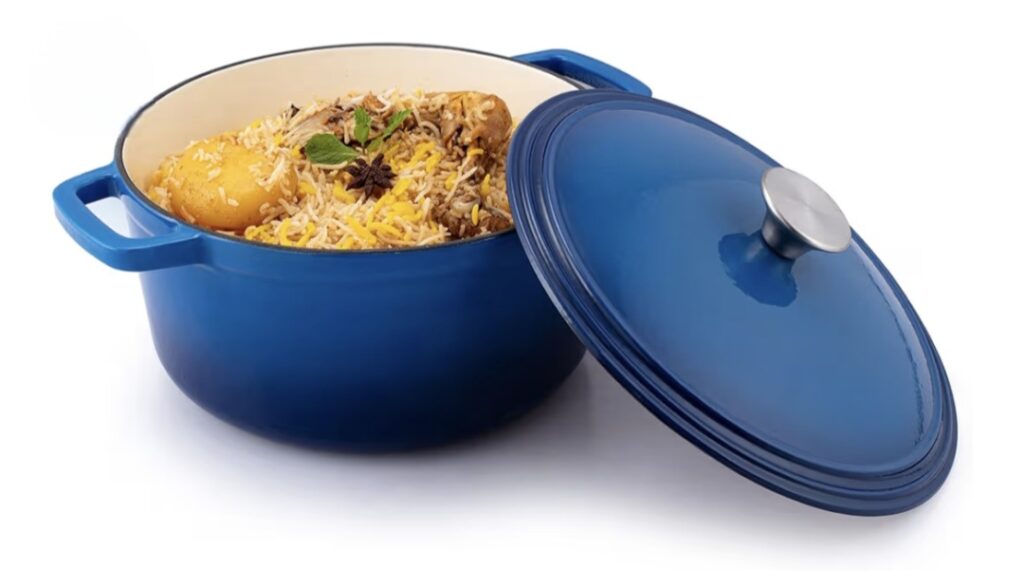
2. The Enameled Cast Iron Dutch Oven for kitchen
While a raw cast iron skillet is famously cheap and effective, the enameled Dutch oven is where you should splurge. Premium French brands use a specific type of glass-based enamel that is far less prone to chipping or “crazing” (tiny spider-web cracks) than budget versions.
The Benefit: Superior heat retention for slow-braising and a lid designed with a heavy, precise seal to prevent moisture loss.
The Distinction: Cheap enamel can pop off into your food if the pan gets too hot. A luxury Dutch oven handles everything from high-heat bread baking to 6-hour stews without breaking a sweat.
3. The Forged Chef’s Knife
Your knife is the primary interface between you and your ingredients. Luxury knives are typically forged from a single piece of steel rather than stamped from a sheet of metal. They use high-carbon alloys that hold a razor-sharp edge significantly longer.
The Benefit: Better balance, a “bolster” that protects your fingers, and less hand fatigue during long prep sessions.
The Safety Factor: A sharp, high-quality knife is actually safer than a cheap, dull one because it requires less pressure to cut, reducing the chance of the blade slipping.
The “Skimp” List: When Generic is Just as Good
In these categories, the law of diminishing returns hits hard. A $200 version of these items will rarely perform significantly better than a $30 version.
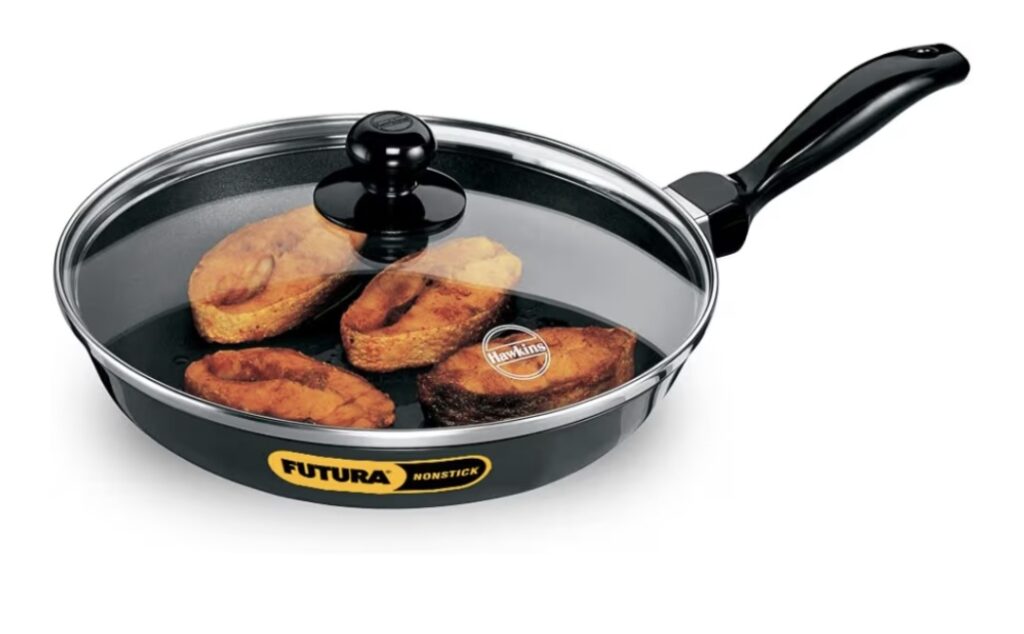
1. Non-Stick Frying Pans for kitchen
This is the most common mistake home cooks make. Do not buy “luxury” non-stick. No matter how much you spend, the PTFE or ceramic coating is a chemical bond that will eventually degrade. Heat, metal utensils, and time all take their toll.
The Strategy: Treat non-stick pans as “consumables.” Buy a heavy-bottomed pan from a restaurant supply store and plan to replace it every 2 to 5 years when the eggs start to stick.
2. Stock Pots
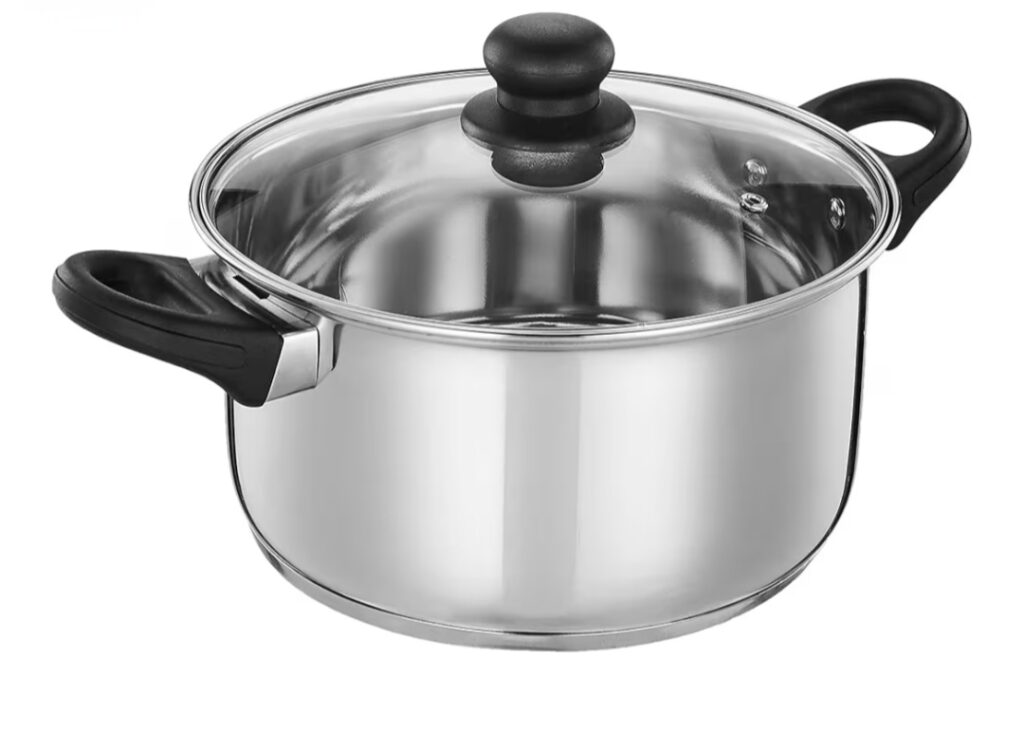
If you are boiling 8 quarts of water for pasta or simmering a thin vegetable broth, you don’t need 5-ply cladding. The convection of the boiling water handles the heat distribution for you.
The Strategy: A simple, lightweight stainless steel pot with a sturdy, riveted handle is all you need. Save your money for the tools that actually sear or sauté.
3. Baking Sheets (Sheet Pans)
Many luxury home brands sell “heavyweight” non-stick cookie sheets that are difficult to clean and prone to warping. Professional bakers almost exclusively use rimmed natural aluminum “half-sheets.”
The Strategy: They are incredibly cheap, they conduct heat perfectly, and they are virtually indestructible.
The Comparison: At a Glance
| Tool | Strategy | The “Why” |
|---|---|---|
| Chef’s Knife | Invest | Edge retention and ergonomic balance. |
| Dutch Oven | Invest | Enamel durability and moisture seal. |
| Stainless Skillet | Invest | Even heat distribution to the rim. |
| Non-Stick Pan | Skimp | Coatings are inherently temporary. |
| Stock Pot | Skimp | Water distributes heat efficiently. |
| Measuring Tools | Skimp | Accuracy is standard; luxury is just aesthetic. |
How to Spot a High-Quality “Generic”
If you choose to go generic, you can still find professional-grade quality by looking for these three cues:
Weight: In cookware, weight usually equals heat retention. If a pan feels like a toy, it will burn your garlic in seconds.
Riveted Handles: Avoid pans where the handles are only “spot-welded” on. Rivets (the little metal bolts visible inside the pan) are much more secure for heavy lifting.
Material: Look for “18/10 Stainless Steel” on the bottom. This indicates a high nickel content, which provides the best resistance to rust and keeps the pan shiny after hundreds of washes.
Mastering your kitchen is about allocating your budget to the items that interact with the heat in complex ways. If a tool is meant to provide a consistent, high-heat sear, buy the best you can afford. If the tool is simply a vessel for boiling or a surface for a temporary coating, go generic and use the savings to buy better-quality olive oil and steaks.