A smart ring is a lightweight, titanium-housed wearable packed with miniature sensors—primarily PPG (optical heart rate), accelerometers, and skin temperature sensors.
As someone who spends long hours in front of a screen at an MNC, I found that traditional smartwatches were too distracting with constant notifications. I wanted to see if a screen-less ring could actually help manage my burnout without adding to my digital fatigue.
By placing these sensors on your finger, where the skin is thinner and the blood vessels (arteries) are closer to the surface, smart rings often provide more accurate heart rate and sleep data than wrist-based trackers.
In 2026, the wearable market has reached a tipping point. While smartwatches are the “loud” tools for fitness, smart rings have become the essential silent partners for recovery and long-term health. If you are tired of wrist fatigue or glowing screens at bedtime, a smart ring is the most logical upgrade for your wellness routine.
The technology has reached a “goldilocks” zone where design and battery life are finally perfected for smart ring:
Invisible Tech: They weigh between 3 and 5 grams (lighter than a nickel), making them the only wearable many people feel comfortable wearing 24/7.
Charging Freedom: In 2026, top models like the RingConn Gen 2 now reach 10–12 days of battery life, making the “daily charge” a thing of the past.
While 10–12 days of battery life is the claim, I have noticed that heavy use of the ‘active’ heart rate monitoring usually cuts that down. For a busy professional, I recommend charging it during your morning shower so you never have to think about a dead battery during a long commute.
The “Anti-Distraction” Choice: Unlike smartwatches that vibrate with every text, smart rings have no screen. They gather data in the background and only speak to you when you open their app.
New for 2026: We are now seeing the introduction of haptic vibrations for gentle wake-up alarms and gesture controls that allow you to “double-pinch” your fingers to take a photo or pause music on your phone.
Most smart rings in 2026 focus on three primary pillars:
- Sleep Labs on a Finger: They track deep, REM, and light sleep stages with clinical precision.
- Recovery & Readiness: Using Heart Rate Variability (HRV), they tell you if your body is ready for a hard workout or if you are about to get sick.
- Stress Monitoring: Tracking your “internal weather” throughout the day to suggest breathing exercises or breaks.
In 2026, the question of whether a smart ring is “worth it” has moved past novelty and into necessity for those who find smartwatches too bulky or distracting. While watches excel at active fitness (GPS, screens, mid-workout stats), smart rings have claimed the throne for recovery, sleep, and subtle health monitoring.
If you are looking for a device that stays out of your way while providing high-level data, here is the state of the market.
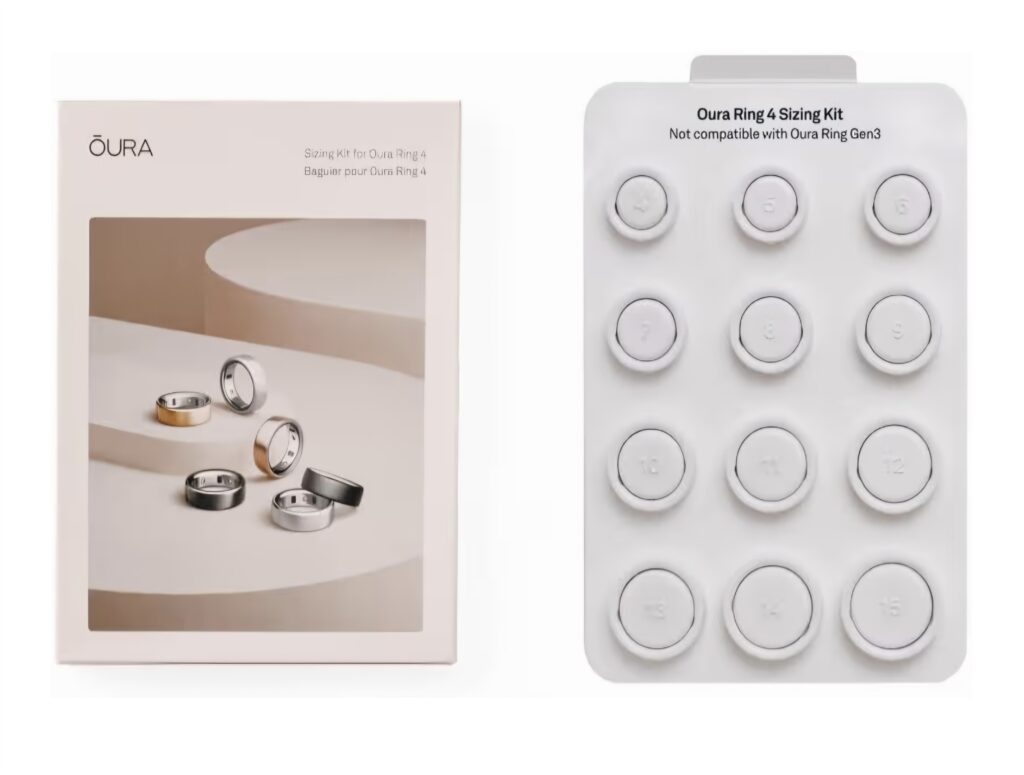
1. The Gold Standard: Oura Ring 4
The Oura Ring 4 remains the benchmark for the industry. In 2026, its “Smart Sensing” technology has refined accuracy to a point where it rivals medical-grade sleep labs.
Heart Rate Monitor, Activity Tracker, Sleep Monitor, wireless.
Pros: Exceptional sleep staging, “Readiness” scores that predict when you are getting sick, and a sleek, fully recessed sensor design.
Cons: It still requires a $5.99/month subscription to see your long-term data trends.
Verdict: Best for those who want the most accurate data and don’t mind a monthly fee.
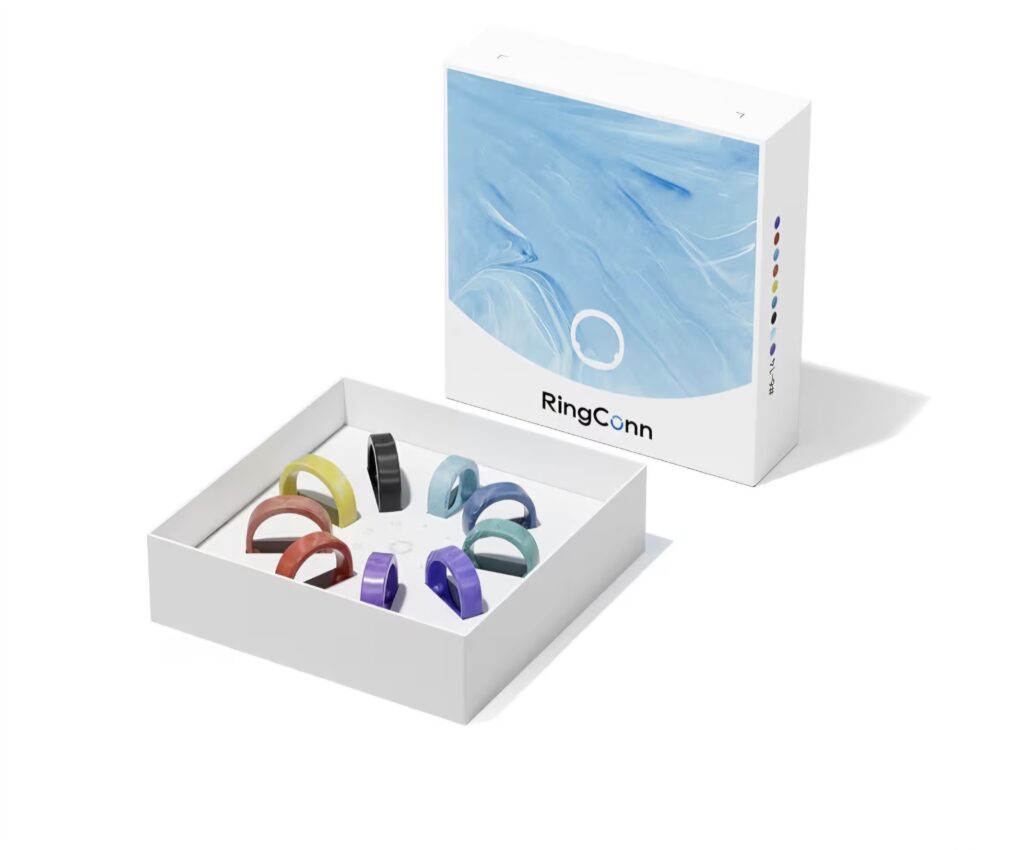
2. The Subscription-Free Rival: RingConn Gen 2
For those who hate monthly bills, the RingConn Gen 2 is the top choice. It is thinner than its predecessor and boasts a staggering 10–12 day battery life, nearly double that of its competitors.
Pros: No subscription fees, lightweight, and excellent for tracking daily stress levels.
Cons: The app interface isn’t as “polished” as Oura’s, and workout tracking is basic.
Verdict: Best for budget-conscious users who want “set it and forget it” longevity.
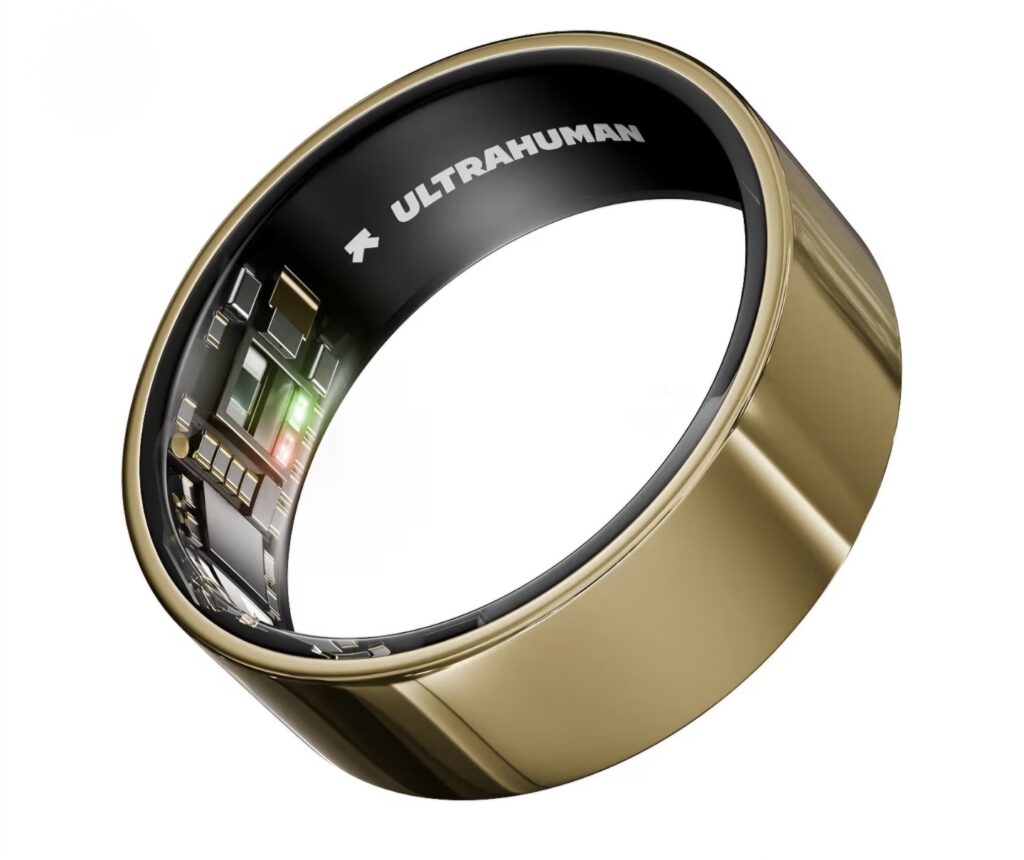
3. The Performance Powerhouse: Ultrahuman Ring Air
Ultrahuman has carved out a niche for “biohackers.” Their app does not just show sleep, it tracks your circadian rhythm and tells you exactly when to seek sunlight or avoid caffeine.
Pros: Incredible focus on metabolic health and recovery; no subscription.
Cons: The ring can be slightly more “boxy” on the finger than the Oura 4.
Verdict: Best for athletes and productivity enthusiasts who want to optimize their daily energy.
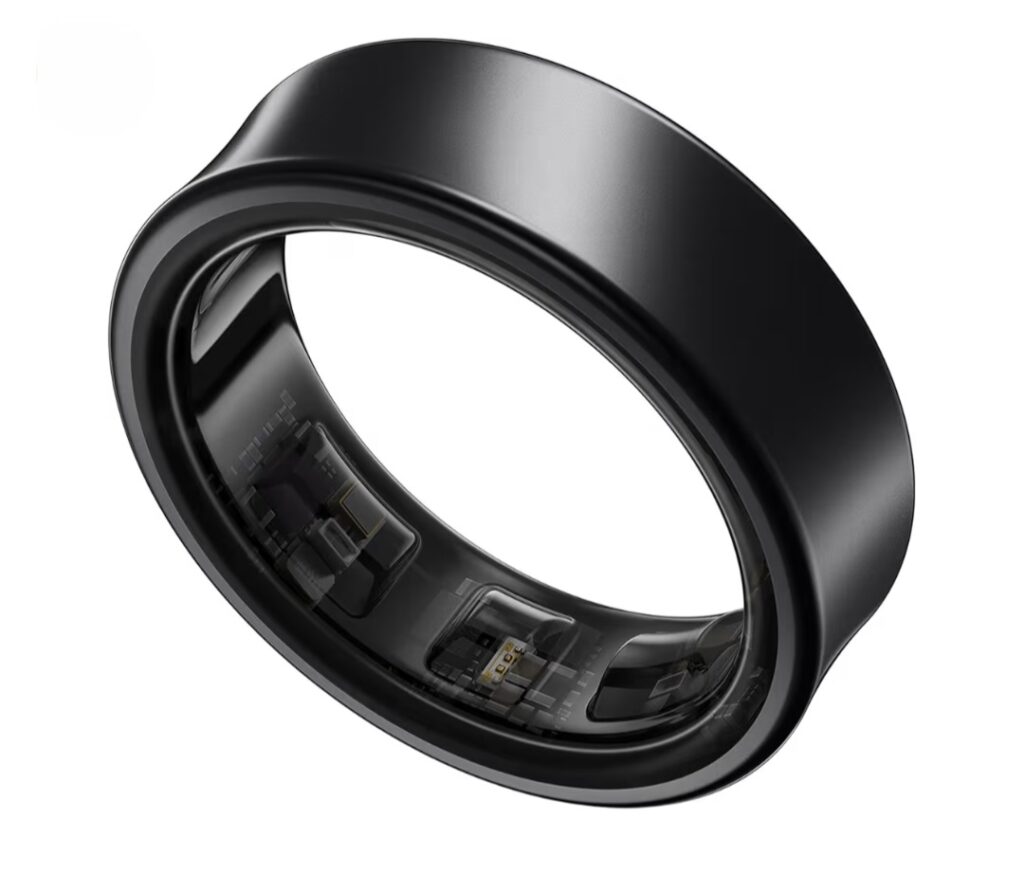
4. The Ecosystem King: Samsung Galaxy Ring
If you own a Samsung phone, this is the easiest entry point. It integrates perfectly with Samsung Health and can even be controlled with “pinch” gestures to dismiss alarms or take photos.
Pros: Seamless integration with Android, a brilliant portable charging case, and no subscription fee.
Cons: It does not work with iPhones, and many AI features are exclusive to Samsung devices.
Verdict: The only choice for dedicated Samsung Galaxy users.
Comparison Table: Top Smart Rings (2026)
| Feature | Oura Ring 4 | RingConn Gen 2 | Ultrahuman Air | Galaxy Ring |
|---|---|---|---|---|
| Subscription | $5.99/mo | None | None | None |
| Battery Life | 5–8 Days | 10–12 Days | 6 Days | 7 Days |
| Best For | Accuracy | Battery/Value | Energy/Sleep | Android Users |
| Compatibility | iOS & Android | iOS & Android | iOS & Android | Android Only |
Are They “Worth It”?
Yes, if your primary goal is sleep and recovery. Smart rings are far more comfortable to wear to bed than a bulky Apple or Garmin watch. They provide a “holistic” view of health rather than just counting calories burned.
However, if you are a marathon runner or need to see your heart rate in real-time while lifting weights, a smart ring will likely frustrate you due to the lack of a screen.
Ultimately, smart rings are a transformative investment for those seeking deep health insights and superior sleep tracking without the bulk of a traditional watch. They provide a seamless, screen-free way to master your recovery and long-term wellness with effortless elegance.