Magnesium is frequently referred to as the “spark of life” because it is a fundamental catalyst involved in over 300 biochemical reactions within the human body. Despite its critical role, nearly half of the global population operates under a state of subclinical deficiency. For anyone balancing a demanding professional routine and consistent physical training, maintaining proper magnesium levels is a primary pillar for physical and cognitive recovery.
To understand how magnesium balances your well-being, look at your nervous system’s regulatory mechanisms. Our body constantly shifts between the sympathetic state (fight or flight) and the parasympathetic state (rest and digest). In a high-stimulation world, many of us get trapped in a sympathetic loop, causing chronic muscle tension and restless sleep.
🧠 Quick Summary: How Magnesium Protects Your Body
▪ Nervous System Gatekeeper: It binds to inhibitory GABA receptors, helping calm rapid thoughts and reducing cortisol acceleration.
▪ Muscle Relaxation: While calcium signals your muscles to contract, magnesium acts as a natural blocker to push calcium out so muscle fibers can relax and recover.
▪ Energy Production: Every unit of cellular energy (ATP) must bind with a magnesium ion to become biologically active and fuel your next workout.
Lactic Acid Clearance: Some studies suggest magnesium helps the body clear lactate from the blood more efficiently, potentially reducing the “burn” felt after high-intensity exercise.
After long days of managing technical support and working on my website, I noticed my muscles felt tight and my sleep was shallow. I started experimenting with nutrient-rich foods like pumpkin seeds and spinach in my dinner. I found that it did not just help my muscles relax, but it actually helped me ‘switch off’ my brain at night.
Not All Magnesium is Created Equal
One reason people fail to see results from this mineral is that they take the wrong kind. The Mineral must be “chelated” (bound) to another molecule, and that molecule changes how the mineral behaves in your body.
| Type | Best For… | Why? |
|---|---|---|
| Glycinate | Stress & Sleep | Bound to glycine (a calming amino acid). Highly absorbable and gentle on the stomach. |
| Malate | Muscle Pain & Fatigue | Bound to malic acid, which helps with energy production. Great for morning use. |
| Citrate | General Use / Digestion | Well-absorbed but has a mild laxative effect. Good for occasional constipation. |
| Oxide | Heartburn / Cheap Filler | Very poor absorption (only about 4%). Mostly used as a laxative. |
Why Are We So Deficient?
Estimates suggest that roughly 50% of the population is deficient in this vital mineral. There are three main culprits:
Soil Depletion: Modern industrial farming has stripped the soil of minerals, meaning a spinach leaf today has significantly less of this mineral than one from 50 years ago.
Processed Foods: Refining grains removes the germ and bran, where most of the nutritional value resides.
Lifestyle Factors: High caffeine intake, alcohol consumption, and chronic stress all accelerate mineral depletion.

How to “Unlock” the Benefits of magnesium:
To use magnesium for stress and recovery, you don’t necessarily need a pill. You can start with “Magnesium-Rich” foods:
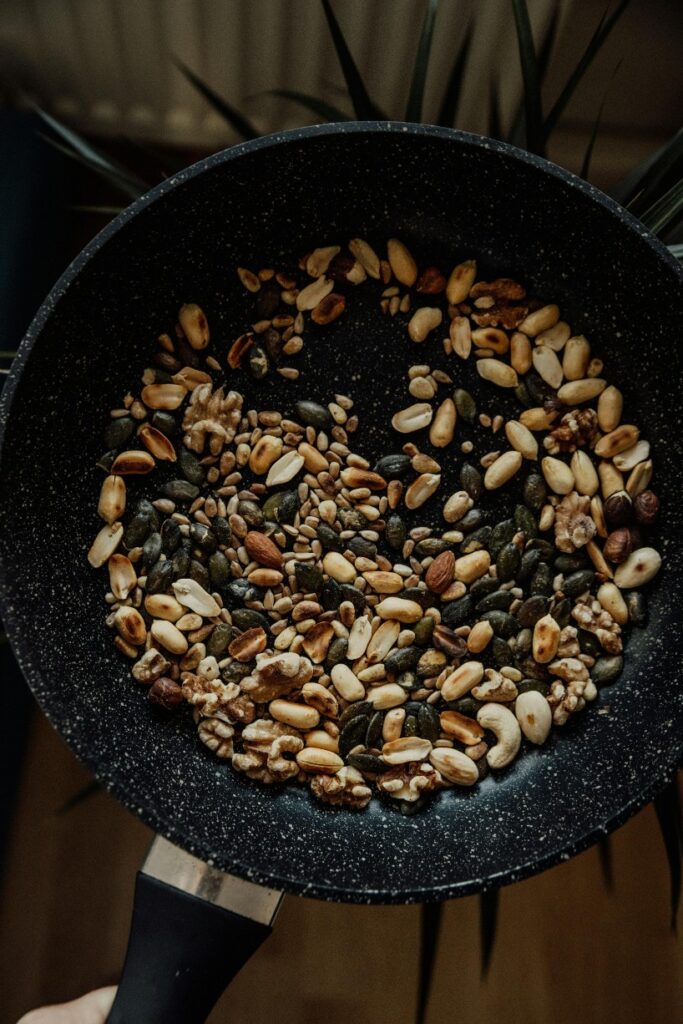
▪ Pumpkin Seeds: One of the most concentrated whole-food sources available.
▪ Dark Chocolate: High in natural magnesium antioxidants and an exceptional stress-reliever.
▪ Leafy Greens: Loaded with clean mineral value, particularly spinach and Swiss chard.
▪ Almonds & Cashews: Excellent, nutrient-dense options for a quick, on-the-go snack.
Pro-Tip for Recovery: Consider an Epsom Salt bath (Magnesium Sulfate). While the science on transdermal (through the skin) absorption is still debated, the combination of warm water and magnesium is a proven way to force the nervous system into a state of relaxation.
Magnesium isn’t a “magic pill” that will instantly delete your stress or make you an Olympic athlete overnight. However, it is the foundational mineral that allows your nervous system to “downshift” and your muscles to “reset.”
If you are chronically stressed or struggle with slow recovery, magnesium might be the missing link. Start with food, consider a high-quality glycinate or malate supplement, and listen to your body’s signals.
Replenishing this mineral is often the simplest, most cost-effective way to improve your quality of life. Whether through pumpkin seeds, dark leafy greens, or a high-quality supplement, getting your levels right might just be the “secret” you’ve been looking for.