Mastering your daily water intake is essential, as water acts as the silent architect of the human body, making up nearly 60% of our physical form and driving every vital cellular reaction.
We have all heard the generic ‘eight glasses a day’ rule. However, hydration is far from a one-size-fits-all equation. I know firsthand how easy it is to lose track—there have been so many days where I’ve been glued to my desk, deeply focused on my website tasks, only to look up hours later and realize I hadn’t taken a single sip of water. When you’re managing a busy schedule, staying on top of your fluids is tough, but true hydration means ensuring your cells have enough fluids and balanced electrolytes to optimize both physical stamina and cognitive clarity.
The National Academies of Sciences, Engineering, and Medicine provides broader guidelines than the old “8×8” rule. These figures represent total water intake, which includes fluids from all beverages and moisture from food:
| Category | Total Daily Fluid Intake (Liters) | Approx. Cups (8 oz) |
|---|---|---|
| Adult Men | 3.7 Liters | ~15.5 Cups |
| Adult Women | 2.7 Liters | ~11.5 Cups |
| Pregnant Women | 3.0 Liters | ~12.5 Cups |
| Breastfeeding Women | 3.8 Liters | ~16 Cups |
Note: About 20% of your daily water typically comes from food. Fruits like watermelon and strawberries, and vegetables like cucumber and lettuce, are nearly 95% water.
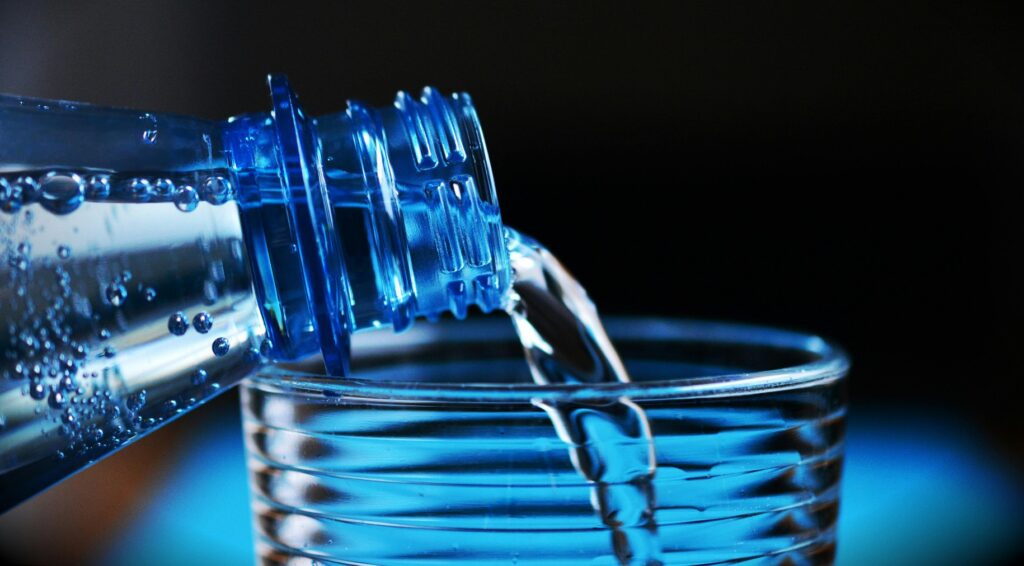
Factors That Change Your “Magic Number” of taking water
While the table above provides a baseline, your specific needs fluctuate daily based on several variables:
1. Activity Level
If you are hitting the gym or going for a run, you are losing fluids through sweat. A general rule of thumb is to add about 12 to 20 ounces of water for every 30 minutes of intense exercise.
2. Environment
Hot or humid weather increases sweating, requiring higher intake. Interestingly, high altitudes (above 8,000 feet) also increase your water needs because the air is drier and your breathing is faster, causing you to lose more fluid through respiration.
3. Overall Health
When you have a fever, vomiting, or diarrhea, your body loses fluids at an accelerated rate. In these cases, plain water might not be enough, you may need oral rehydration solutions to replace lost electrolytes like sodium and potassium.
4. Diet
High-protein diets require more water to help the kidneys process the additional nitrogen. Similarly, a diet high in salt will cause your body to pull water from your cells to balance the sodium in your bloodstream, triggering thirst.
Debunking Common Hydration Myths
Myth: “Coffee and Tea Dehydrate You.”
Truth: While caffeine has a mild diuretic effect, the water used to brew coffee and tea more than compensates for it. They definitely count toward your daily total.
Myth: “Thirst is the First Sign of Dehydration.”
Truth: By the time you feel thirsty, your body is already slightly dehydrated. Thirst is a “lagging indicator.”
Myth: “You Need to Drink water Even if You Aren’t Thirsty.”
Truth: For a healthy person in a temperate climate, listening to your body’s thirst signals is usually sufficient. Over-hydrating (hyponatremia) is rare but can be dangerous as it dilutes the sodium in your blood.
How to Check Your Status
The easiest way to monitor your hydration isn’t by counting ounces, but by looking in the toilet.
Pale Straw or Lemonade color: You are in the clear.
Dark Yellow or Amber: You are likely dehydrated and need to drink up.
Clear: You might be overdoing it, you can probably slow down your intake.
Practical Tips for Staying Hydrated (water intake)
Front-load your day: Drink 8–12 ounces of water immediately after waking up to jumpstart your metabolism and rehydrate after sleep.
Flavor it naturally: If plain water is boring, add slices of cucumber, mint, or frozen berries
Use a “visual cue” bottle: Buy a bottle with time markers to help you pace your intake water throughout the day.
Eat your water: Incorporate more soups, broths, and watery produce into your meals.
Hydration is a dynamic process. While the 11.5 to 15.5 cup range is a great target, the best approach is to stay mindful of your activity, your environment, and your body’s signals. Water is the simplest, cheapest, and most effective tool we have for maintaining peak physical and mental performance.
How I Finally Stopped Forgetting to Drink Water
If I am being honest, ‘drinking more water’ was on my to-do list for years before it actually became a habit. Being busy at the computer for hours meant I would look up and realize I had not had a sip all day.
To fix this, I started keeping a 1-liter bottle right next to my mouse. My personal rule is that I can not check my personal emails until I have finished the first half of the bottle. It sounds simple, but linking my water intake to my digital habits was the only thing that worked for me. If you struggle with the ‘taste’ of plain water like I did, I highly recommend adding a slice of ginger or lemon—it makes it feel much more like a treat than a chore.