Strength training at home is the practice of using your own body weight or portable equipment—such as resistance bands, dumbbells, or even household items—to build muscle, improve bone density, and enhance overall physical performance. Unlike the traditional gym setting, home training prioritizes convenience, privacy, and functional movement, allowing you to develop a powerful physique without the need for heavy machinery or a commute.
By focusing on fundamental movements like squats, push-ups, and lunges, you can establish a professional-grade fitness foundation in your living room. Whether your goal is to lose weight, gain muscle, or simply move better in daily life, strength training at home provides a scalable and sustainable path to achieving long-term health.
Key Advantages of Strength training at Home
Zero Barrier to Entry: You don’t need expensive memberships or fancy attire to start; you can begin with just your body weight today.
Time Efficiency: Eliminate travel time and waiting for equipment, making it easier to stay consistent even with a busy schedule.
Personal Comfort: Strength training at home lets you practice your moves in private. You won’t feel nervous or judged by other people.
Functional Focus: These exercises focus on natural movements. This helps your body get stronger for everyday tasks and real-life activities.
Instructions: Perform each exercise for 45 seconds, then rest for 15 seconds before moving to the next. Complete the entire list twice.
Instructions:
Perform each Strength training exercise for 45 seconds, then rest for 15 seconds before moving to the next. Complete the entire list twice.
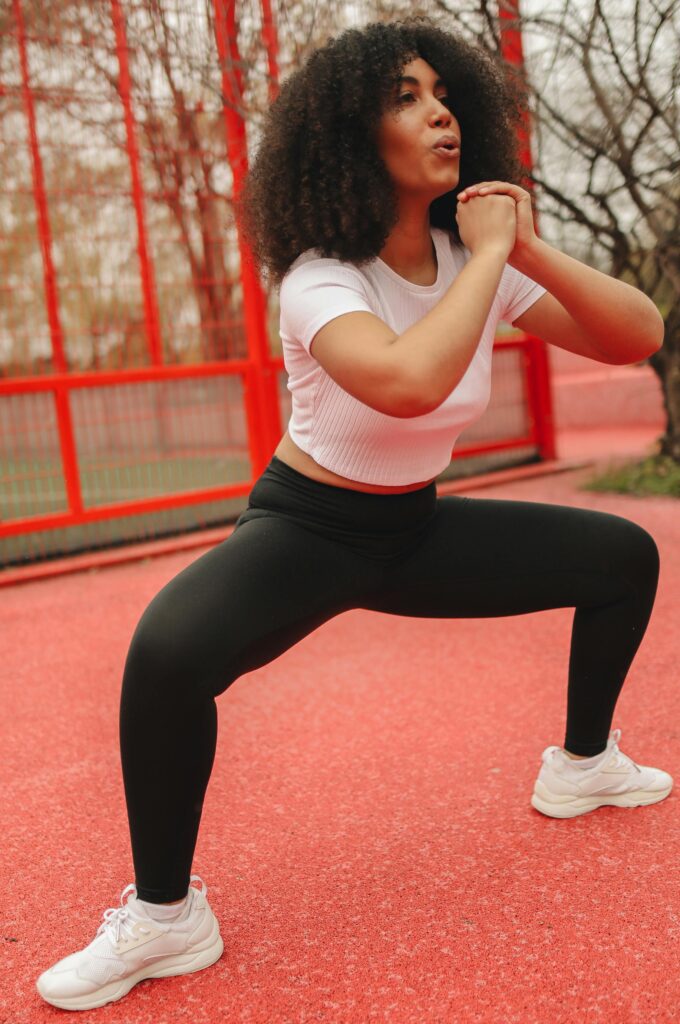
1. Air Squats (Lower Body)
How: Stand with feet shoulder-width apart, toes slightly turned out, and arms at your sides. Engage your core and keep your chest up.
Inhale as you push your hips back like sitting into a chair, bend your knees, and lower until your thighs are parallel to the floor (or hip crease below knees). Keep knees tracking over toes, heels down, and spine neutral.
Exhale and drive through your heels to stand, squeezing your glutes at the top while fully extending hips and knees. Repeat for desired reps.
Key Tip: Maintain an upright torso and avoid rounding your back to protect your spine.Keep weight on heels, not toes, for better balance and glute activation.Beginners can practice with a wall or chair.
2. Plank ( Core Stability)
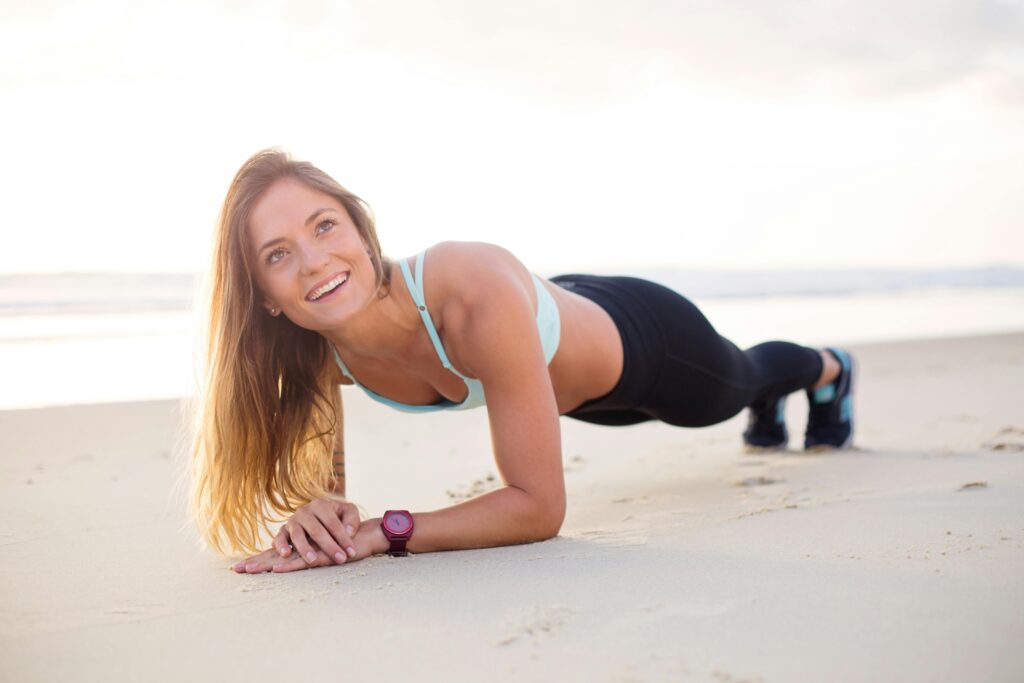
A basic forearm plank is a static core exercise part of Strength training where you hold your body in a straight line from head to heels while resting on forearms and toes.
Tighten your core (abs and glutes), as if bracing for a light punch, and keep your lower back flat, not arched.Keep shoulders stacked over elbows, press the floor away with your forearms, and breathe steadily while holding the position for your desired time (for beginners, 10–20 seconds, then build up).
Common mistakes to avoid
- Letting hips drop toward the floor, which strains the lower back.
- Lifting hips too high, holding your breath, or letting shoulders shrug up toward your ears instead of staying stable over your elbows.
3. Superman (Back Strength)
The superman is a floor exercise for building Strength training done lying on your stomach, lifting arms and legs to strengthen lower back, glutes, and core.
Starting Position
Lie on your belly on a mat, legs straight and slightly apart, arms fully extended in front of you like Superman flying, palms facing down.
Rest your forehead on the mat, keep neck neutral (look down), and gently pull your belly button up toward your spine to engage your core.
Lifting into Position
Inhale, then as you exhale slowly lift your arms, chest, and legs a few inches off the floor at the same time, keeping them straight but not locked.
Focus on squeezing your glutes and lower back, not jerking; keep hips and abdomen on the floor and avoid cranking your head up.
Hold and breathing
Hold the top position for about 2–3 seconds while breathing steadily and keeping your body long from fingertips to toes.
Keep shoulders away from ears, legs straight, and avoid excessive arching in the lower back to prevent strain.
Consistency: Try to do this just 3 times a week. That consistency is what builds real strength.
4. Calf Raises
Calf raises are one of the simplest and most effective ways to strengthen your lower legs at home in Strength training. They target the gastrocnemius (the large muscle you see) and the soleus (the muscle underneath).
Here are the simple steps to perform them correctly:
1. The Starting Position
Stand Up Straight: Find a flat surface. Stand with your feet about hip-width apart.
Check Your Toes: Point your toes straight forward.
Get Support: If you are a beginner, stand near a wall or hold onto a sturdy chair for balance.
2. The Movement (Going Up)
Lift Your Heels: Slowly push through the balls of your feet to lift your heels off the ground.
Go High: Imagine you are trying to stand on your “tippy-toes” as high as possible.
Squeeze: At the very top, squeeze your calf muscles for 1 second.
3. The Descent (Going Down)
Lower Slowly: Do not just drop your heels. Lower them back to the floor slowly and with control.
Repeat: Once your heels touch the floor, immediately start the next rep.
Important Tips for Better Results:
Don’t Bounce: Use your muscles, not momentum. If you move too fast, your tendons do the work instead of your muscles in Strength training.
5.Bridge
A basic bridge (glute bridge) is done lying on your back and lifting your hips to form a straight line from shoulders to knees, mainly working glutes and core in Strength training.
Starting position
Lie on your back on a mat with knees bent, feet flat on the floor about hip‑width apart and close to your hips.
Place arms by your sides, palms down, keep head and shoulders relaxed, and gently brace your core (lightly draw your belly button toward your spine).
Lifting into the bridge
Press your heels into the floor and slowly lift your hips off the ground, one smooth motion, until your body forms a straight line from shoulders to knees.
Squeeze your glutes at the top, keep ribs down (do not over‑arch your lower back), and keep knees pointing straight ahead, not falling in or out.
Hold and return
Hold the top position for about 2–3 seconds while breathing normally and maintaining tension in glutes and core.
Lower your hips back down slowly and with control until they just tap the floor, then repeat for your desired reps (for example, 8–15).
6. Bicycles
The bridge (glute bridge) is a floor exercise that mainly strengthens the glutes, hamstrings, core, and lower back while improving hip stability in Strength training.
Basic starting position
Lie on your back on a mat with knees bent, feet flat on the floor, hip‑width apart, toes pointing forward.
Place arms by your sides, palms down, and keep your spine in a neutral position with core gently tightened.
Key technique tips
Keep weight mainly through heels and shoulder blades, not the neck, to avoid strain.
Stop if you feel pain in the lower back; you should feel the work mostly in glutes and back of thighs.
7. Lunges( Balance and Legs)
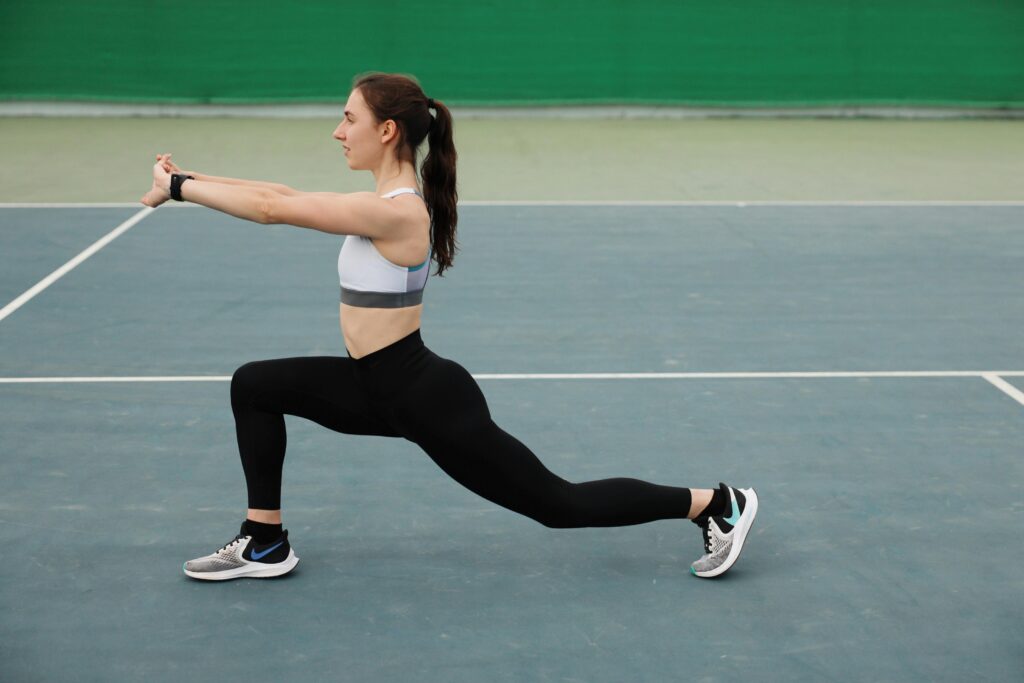
Lunges are a powerhouse exercise for building strength in your quads, hamstrings, and glutes. They also improve your balance and core stability because you are working one leg at a time.
1. The Starting Position
Stand Tall: Keep your feet hip-width apart and your hands on your hips (or by your sides).
Engage Your Core: Tighten your stomach muscles to keep your body steady.
Look Ahead: Keep your chest up and your eyes looking forward, not down at your feet.
2. The Movement (Stepping Out)
Take a Step: Step forward with one leg. The step should be big enough that both knees can bend comfortably.
Lower Your Hips: Drop your back knee toward the floor.
Check Your Angles: Both of your knees should form roughly a 90-degree angle at the bottom of the move.
Important Safety Tips:
Front Knee Alignment: Make sure your front knee stays over your ankle. Don’t let it slide too far forward past your toes.
“Are you ready to stop making excuses and start building your home ‘powerhouse’ today?”
Comment below!!